
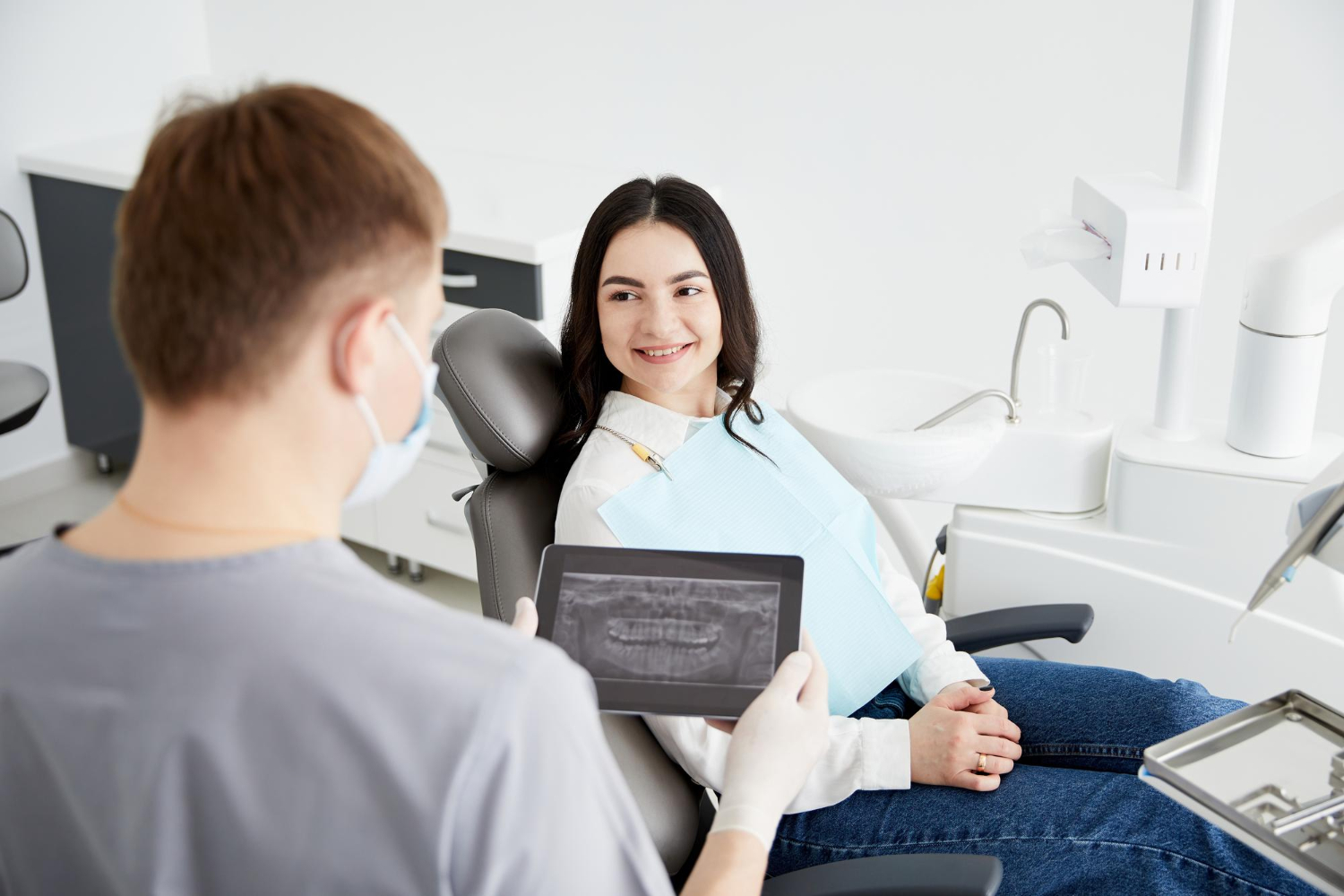
Sedation dentistry is considered safe for most healthy patients when it is matched to the person, given by a clinician trained in sedation and paired with careful screening and continuous monitoring. Most side effects are mild and short-lived, such as grogginess or a dry mouth. Serious problems are rare, and the steps that keep them rare happen before, during and after the appointment.
At Southern Smiles of Sylacauga, Dr. Rick Redmond offers two forms of sedation: nitrous oxide and IV sedation, both in the office in Sylacauga. This guide answers the safety questions patients ask most, from who is a good candidate to what monitoring looks like. For an overview of the options themselves, see the complete guide to sedation dentistry in Sylacauga.
Table of Contents
Key Takeaways | Levels of Sedation | How Safe Is It? | Side Effects and Risks | Good Candidates | Who Should Be Cautious | Staying Safe | Put to Sleep? | Pain and Memory | Is It Worth It? | Preparing Safely | Questions to Ask | Myths | FAQ | About the Practice
Key Takeaways
- Sedation is matched to your health, your anxiety and the length of the procedure, not chosen at random.
- Southern Smiles of Sylacauga offers nitrous oxide and IV sedation in the office.
- Common side effects are mild: drowsiness, dry mouth, mild nausea or a small bruise at the IV site.
- A full health history, fasting instructions, monitoring and a driver home are what make IV sedation safe.
- Pregnancy, sleep apnea, some heart and lung conditions and some medications call for extra caution or a different plan.
What Are the Levels of Sedation?
Sedation is described as a spectrum, from lightly relaxed to deeply relaxed. The deeper the level, the more preparation and monitoring it needs.
- Minimal sedation: you are awake and calm and can answer normally. Nitrous oxide usually sits here.
- Moderate sedation: you are deeply relaxed, may drift off and may remember little, but you breathe on your own and respond when spoken to. IV sedation for dental care usually sits here.
- Deep sedation and general anesthesia: you are not easily awakened. This level is generally reserved for hospital or surgical center settings.
Nitrous oxide is breathed through a small nose piece, works within minutes and wears off quickly, so most patients can drive themselves home. IV sedation is given through a small line in the arm or hand, which lets the level be adjusted during the procedure. The IV sedation dentistry page explains what the day looks like.
How Safe Is Sedation Dentistry?
For most people, sedation is less of a strain on the body than the stress of fighting through a procedure while anxious. The medications used in dental sedation have been used for decades, and dentists who offer IV sedation complete specific training and follow state rules for monitoring and emergency readiness.
Safety is not a property of the medication alone. It comes from four things working together: choosing the right level for the right person, a complete health history, continuous monitoring and clear instructions for the hours before and after. Leave out any one of them and the margin shrinks. Keep all four and the margin is wide.
What Are the Side Effects and Risks?
Common and mild
- Drowsiness that lasts the rest of the day after IV sedation
- Dry mouth
- Mild nausea, which is less likely when fasting instructions are followed
- A small bruise or tenderness where the IV was placed
- Headache
- Little or no memory of the procedure, which many patients count as a benefit
Less common
- Breathing that slows more than intended, which monitoring is designed to catch early
- An allergic reaction to a medication
- Blood pressure changes
- Feeling unsteady on your feet for longer than expected
These are the reasons you are watched closely during and after the procedure, and the reason IV sedation patients leave only with a responsible adult. Tell the team about any past reaction to anesthesia, sedatives or pain medicine.
Who Is a Good Candidate for Sedation Dentistry?
Sedation is not only for people with a phobia. It helps anyone for whom the chair itself gets in the way of care.
Dental anxiety or fear
If you have put off care because the thought of the dentist makes your heart race, sedation can make it possible to get everything done without that dread.
A difficult past experience
Many adults carry a memory of a painful or frightening visit from childhood. Sedation gives them a fresh start, and a team that listens first matters just as much.
A strong gag reflex or trouble sitting still
Relaxation quiets the gag reflex and makes long appointments easier for people with back, neck or joint pain.
Longer or more involved treatment
Several fillings or crowns at once, implant surgery and wisdom teeth removal are common reasons to choose IV sedation, since more can be done in fewer visits.
Who Should Be Cautious With Sedation?
Some health conditions do not rule sedation out but do change the plan. Be sure to mention:
- Pregnancy, or the possibility of pregnancy
- Sleep apnea, snoring with pauses in breathing or a CPAP machine at home
- Heart conditions, including heart failure, rhythm problems or recent heart events
- Lung conditions such as COPD or poorly controlled asthma
- Medications, especially opioids, sleep aids, anxiety medicines, blood thinners and anything taken for seizures
- Alcohol or recreational drug use, which can interact with sedatives
- Past reactions to anesthesia or sedation
Honesty on the health history form is the most important safety step a patient can take. Nothing you share is judged, and it can change which option is recommended.
How Patients Are Kept Safe During Sedation
These are the standard safety steps for dental IV sedation. At your consultation, ask the team to walk you through how each one is handled for your visit.
Before your visit
- A full medical history and medication review with Dr. Redmond
- Clear fasting instructions for IV sedation
- A plan for your ride home and someone to stay with you
During your visit
- Continuous monitoring of oxygen levels and pulse
- Blood pressure checks throughout
- A team member watching you at all times
- Emergency equipment and medications ready in the room
After your visit
- Time to recover before leaving
- Release only to a responsible adult after IV sedation
- Written instructions and a number to call
Can You Be Put to Sleep for Dental Work?
Patients often ask to be “put to sleep.” With IV sedation, many people drift in and out of sleep and remember little afterward, yet they keep breathing on their own and can respond. That is different from general anesthesia, where you are fully unconscious and a breathing tube may be used. General anesthesia is usually provided in a hospital or surgical center.
For most dental procedures, including extractions and implant surgery, IV sedation gives patients the experience they are hoping for when they ask to be put to sleep.
Will You Feel Pain or Remember the Procedure?
Sedation handles the worry, and local anesthesia handles the pain. The area is numbed even when you are sedated, so most patients feel pressure but no sharp pain. With IV sedation, time seems to pass quickly and many patients recall little or nothing. With nitrous oxide you remember the visit but feel calm through it.
Is Sedation Dentistry Worth It for Anxious Patients?
For many people the honest answer is yes, because the alternative is often no care at all. Small problems left alone tend to become bigger ones. Sedation can turn several appointments into one or two, make a necessary procedure bearable and break the cycle of avoidance.
Before choosing, weigh the practical side: IV sedation needs fasting, a driver and a quiet rest of the day. Some procedures are short enough that nitrous oxide or numbing alone is plenty. Dr. Redmond will tell you which he would recommend for your treatment and why.
How to Prepare for Sedation Safely
- Share your complete health history and every medication and supplement
- Follow the fasting instructions exactly
- Take your regular medications only as you were told to at your consultation
- Arrange a responsible adult to drive you and stay with you
- Wear loose, short-sleeved clothing and skip contact lenses
- Plan a quiet rest of the day with no driving, alcohol or important decisions
Questions to Ask Your Dentist About Sedation Safety
- Which level of sedation do you recommend for my procedure, and why?
- What training do you have in the sedation you are recommending?
- How will I be monitored during the appointment?
- Do any of my conditions or medications change the plan?
- What should I do if I feel unwell after I get home?
A good sedation dentist welcomes these questions. As Dr. Redmond says about the patients who come to him after bad experiences elsewhere, “A lot of patients will come in and say they were at another office and they just wouldn’t listen.” Listening is part of safety.
Common Myths About Sedation Dentistry
- “Sedation means general anesthesia.” Most dental sedation is moderate. You breathe on your own and can respond.
- “Only people with phobias need it.” Gag reflexes, long procedures and physical discomfort are all good reasons.
- “You will not need numbing.” Local anesthesia is still used for pain control.
- “Sedation is only offered in big cities.” IV sedation is available right here in Sylacauga, so there is no drive to Birmingham.
Frequently Asked Questions
Is IV sedation at the dentist safe?
For healthy adults who are screened in advance and monitored throughout, IV sedation is a well-established way to make dental treatment comfortable. Safety depends on an honest health history, a clinician trained in sedation, continuous monitoring and following the fasting and escort instructions. Dr. Redmond reviews your medical history before recommending it.
Can I be put to sleep for dental work?
With IV sedation, many patients drift in and out of sleep and remember little of the visit, though they can still breathe on their own and respond. Full general anesthesia, where you are completely unconscious, is a different level of care that is usually provided in a hospital or surgical center setting.
Will I feel pain during sedation dentistry?
Sedation relaxes you, and local anesthesia numbs the area being treated. The two work together, so most patients feel pressure but not pain. If anything feels uncomfortable, tell the team so more numbing can be given.
How long do sedation side effects last?
Nitrous oxide wears off within minutes after the mask is removed. After IV sedation, grogginess can last for the rest of the day, which is why you need a driver and should rest until the next morning.
Who should not have sedation dentistry?
People who are pregnant, have untreated sleep apnea, have certain heart or lung conditions, or take medications that interact with sedatives may need a modified plan or a different approach. That is why a full health history always comes first.
About Southern Smiles of Sylacauga
Southern Smiles of Sylacauga has cared for patients from the same office on South Douglas Avenue since 1952. Dr. Rick Redmond, DMD, took over the practice from his uncle, Dr. Hollis, in 1993 and has practiced for over 33 years. He earned his DMD at the University of Alabama School of Dentistry, completed a hospital dentistry residency at the University of Washington, and completed a Comprehensive Implant Residency Program in Birmingham. He is a member of the American Dental Association, the Alabama Dental Association and the Academy of General Dentistry.
Dr. Redmond offers nitrous oxide and IV sedation in the office for patients across Sylacauga and Talladega County.
Practice Information
- Practice: Southern Smiles of Sylacauga
- Address: 101 S Douglas Ave, Sylacauga, AL 35150
- Phone: (256) 245-3645
- Serving: Sylacauga, Talladega, Childersburg, Alexander City, Dadeville, Tallassee and communities across Talladega and Coosa Counties
You deserve less stress at the dentist. To talk through whether sedation is right for you, visit the sedation dentistry page or call Southern Smiles of Sylacauga at (256) 245-3645.
